
Repair Without the Lecture
Because the real teaching usually happens after the storm.

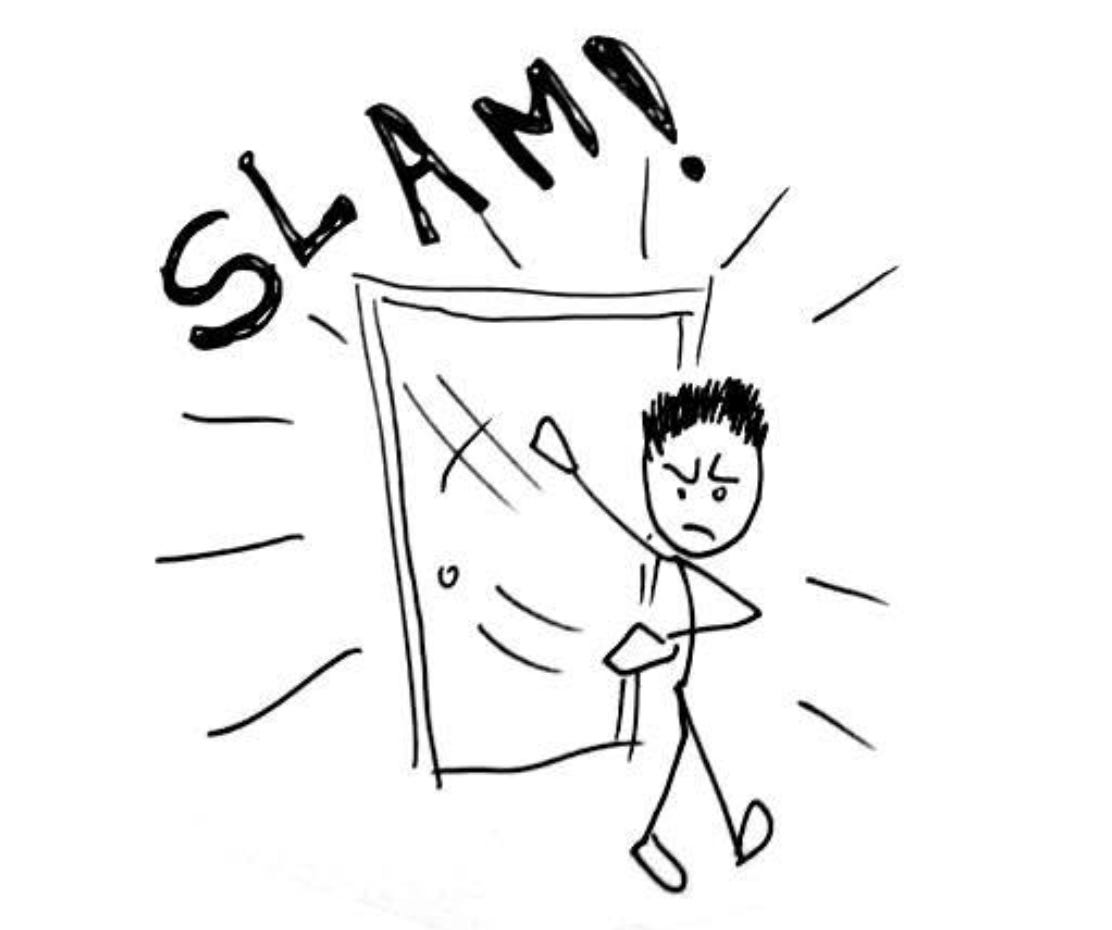
I was a door slammer.
Not a subtle door slammer or a “close the door with a little extra feeling” kind of door slammer. I was a full-body, make-sure-everyone-in-the-house-knows-I-have-been-wronged door slammer.
I also remember saying things like “I hate you” when I was angry.
I don’t remember every argument, what my parents said no to, or what rule felt so unbelievably unfair, or what small injustice would send me down the hallway in a fury. But I do remember the feeling. It was usually some messy combination of embarrassment, frustration, powerlessness, and the very adolescent belief that nobody had ever understood anything less than my parents understood me in that exact moment.
As an adult, I can see it more clearly.
I did not actually hate my parents. I was not offering a thoughtful analysis of our relationship. I was trying to make my feeling visible. I was trying to get a reaction. I was trying to hurt because I felt hurt, or cornered, or misunderstood, or out of control. I was using the biggest words I had because I did not yet have the better ones.
I was a kid and I was still learning, sure, but but that does not mean it was okay.
My parents were not required to stand there serenely while I slammed doors and launched emotional grenades into the hallway. In fact, they did eventually take my door off, which, honestly, was a fairly logical consequence for repeatedly weaponizing it. But that is a different story for a different day.
The point is that when a child says something like “I hate you,” there is almost always more happening than the sentence itself.
And that is what makes it so hard. Because even when we know better, it still hurts.
It hurts when your child says, “I hate you.” It hurts when a student says, “You’re the worst teacher ever.” It hurts when a child looks you straight in the eye and chooses the sentence they know will land. Parents and teachers are supposed to be the grown-ups, yes, but we are still people. We still have nervous systems, histories, and days when we are tired, overextended, under-appreciated, and doing our absolute best with very little margin.
So when a child says something deliberately hurtful, our own feelings can rise up fast.
We want to make sure they understand why this hurt, why it was disrespectful. We want to remind them how much we do for them and make them feel the seriousness of what they said. Sometimes, if we are being very honest, we want them to feel a little bad because we feel bad, too.
That is such an understandable and human impulse. Yet it’s also not usually where the best repair happens.
The Problem with Lectures
A lecture often gives the adult the feeling of having addressed the problem, but it does not always give the child a usable path forward.
Some kids shut down. Some argue. Some perform the quickest apology possible so the conversation will end. Some get flooded with shame and become even more defensive. The lesson we are trying so hard to teach can get buried under the emotional weight of the delivery.
Repair is different.
Repair does not mean we ignore the words. It does not mean we excuse them. It does not mean children get to say whatever they want as long as they were having a big feeling.
Repair means we come back to the moment when everyone is calm enough to actually learn from it.
The timing is key here. When a child is still flooded, embarrassed, or in fight-or-flight, they are not in the best place to reflect on impact. Honestly, neither are most adults. In the heat of the moment, a short response is usually enough.
“You’re really upset. I’m not going to fight with you.”
“I hear how angry you are. Hurtful words don’t help me understand.”
“Take a minute. I’ll take one too. We’ll come back to this.”
That is not the whole conversation. That is just the pause button.
The repair comes later, when the child has settled and you have settled too. Sometimes that is ten minutes later. Sometimes it is after dinner. Sometimes, especially with older kids, it is the next morning in the car when nobody has to make direct eye contact and the whole thing feels less intense.
The REPAIR Framework
This is where I like to use the word REPAIR as a simple map:
Reflect: What happened?
Empathize: How were you feeling when it happened?
Problem-Solve: What’s a solution we can try together?
Accept Responsibility: What was your part in this?
Implement a Plan: What could we try differently next time?
Reaffirm Relationship: How can we keep working as a team?
I go into this more deeply in my upcoming book (more details on that coming soon!!!), but the short version is this: repair works best when it helps a child understand what happened without turning the conversation into a trial.
Some Language You Can Try
The rest of this article is available to paid subscribers, and offers a more detailed roadmap to steer repair conversations in a positive, restorative direction. You can subscribe and access at any time, whenever you’re ready to go deeper.
